Montréal (4)
Museums
Montréal's selection of museums is very diverse, and some of them even are free!
You can walk through different climate zones
and see live plants, birds, fish and others in recreations of their natural habitats at the
Biodome,
see lots of colourful works by Claude Tousignant
at the
Musée d'Art Contemporain,
[no pictures allowed]
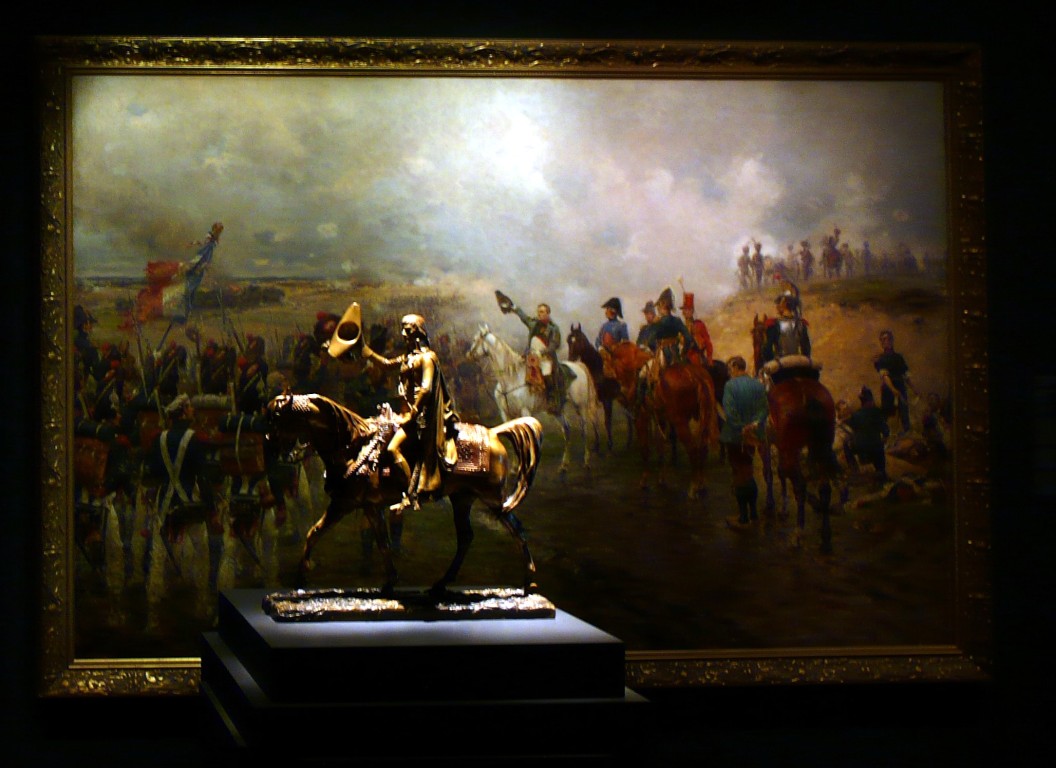
meet Napoleon at the Musée des Beaux-Arts,
or be surrounded by hundreds of shimmering and fluttering butterflies at the Jardin botanique de Montréal
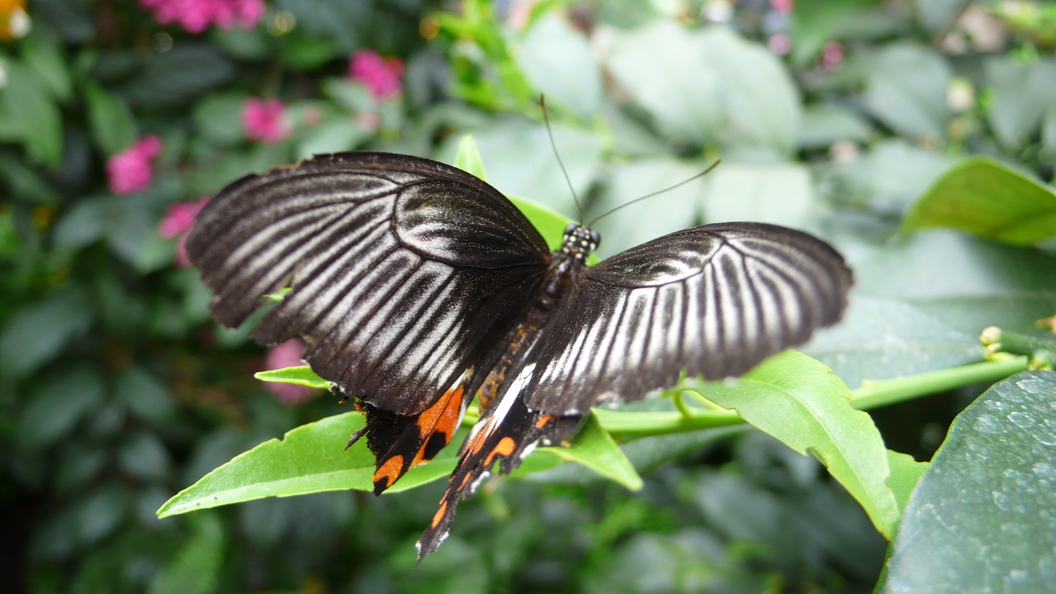

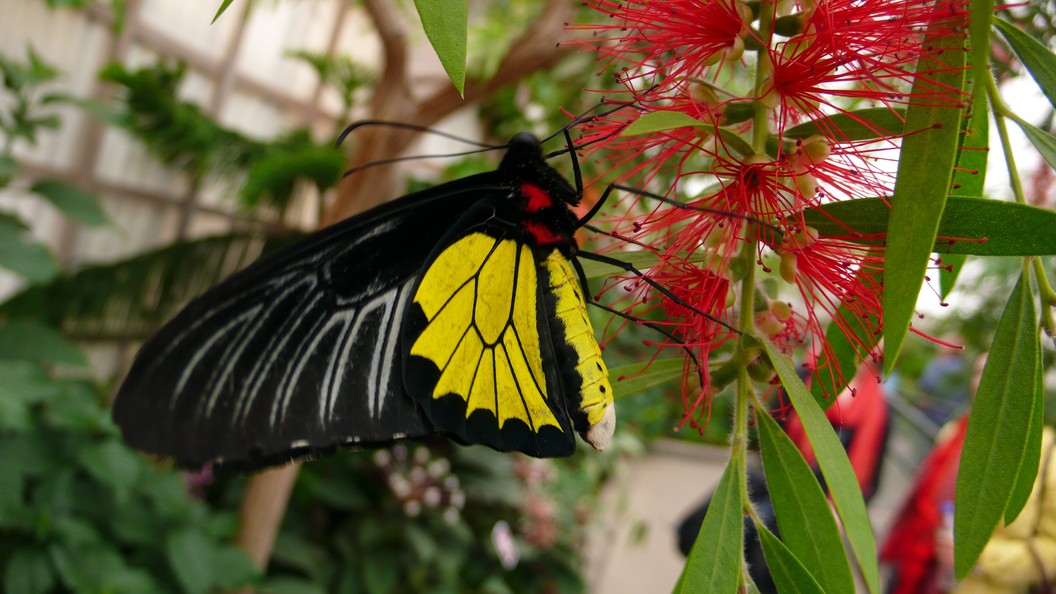




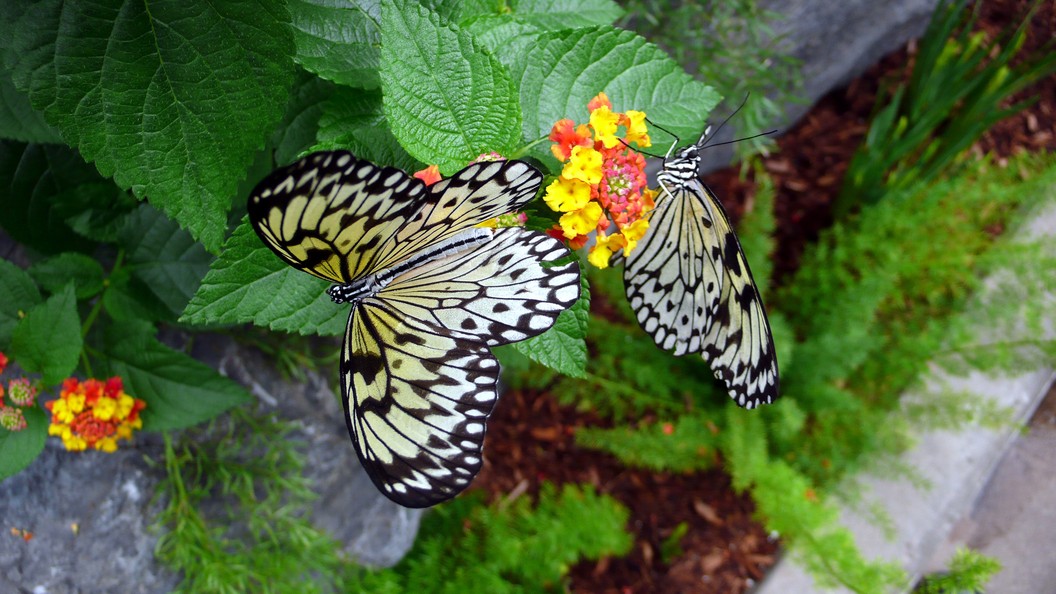
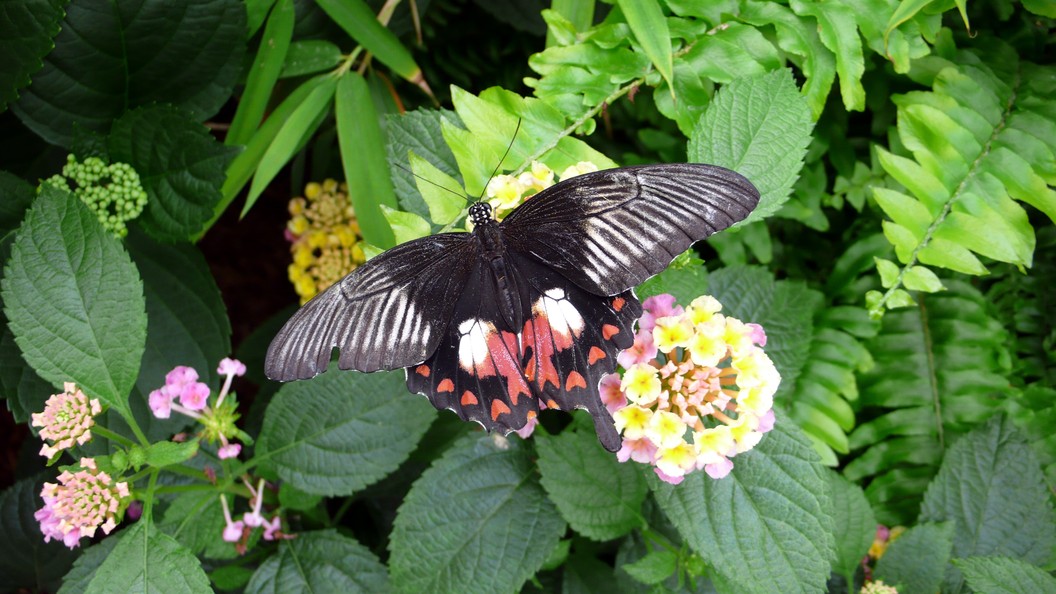
- all just mere minutes of subway ride away from each other.
Montréal (3)
Churches
Montréal has started out as a settlement of missionaries in the mid-1600s, so there's been lots of time - and even more motivation - to build places of worship. Both were made extensive use of over time: this city is full of churches.
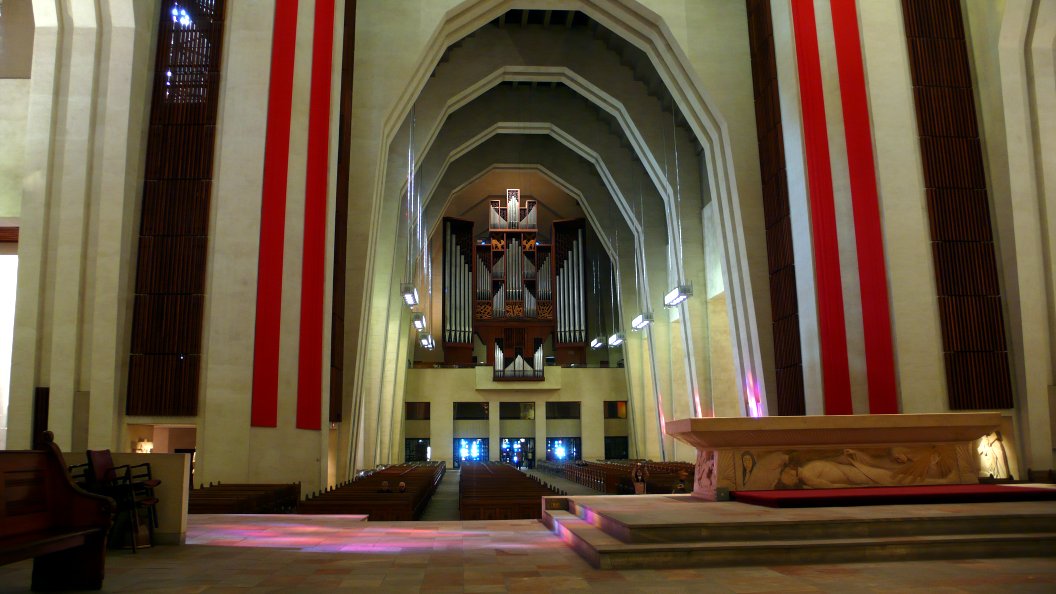
One of the newest is the biggest: l'Oratoire Saint-Joseph, world's largest church devoted to Joseph. It began as
a chapel in 1904, grew to a slightly larger chapel, then to a church, and then to the cathedral - all those stages
still exist inside and on top of each other.
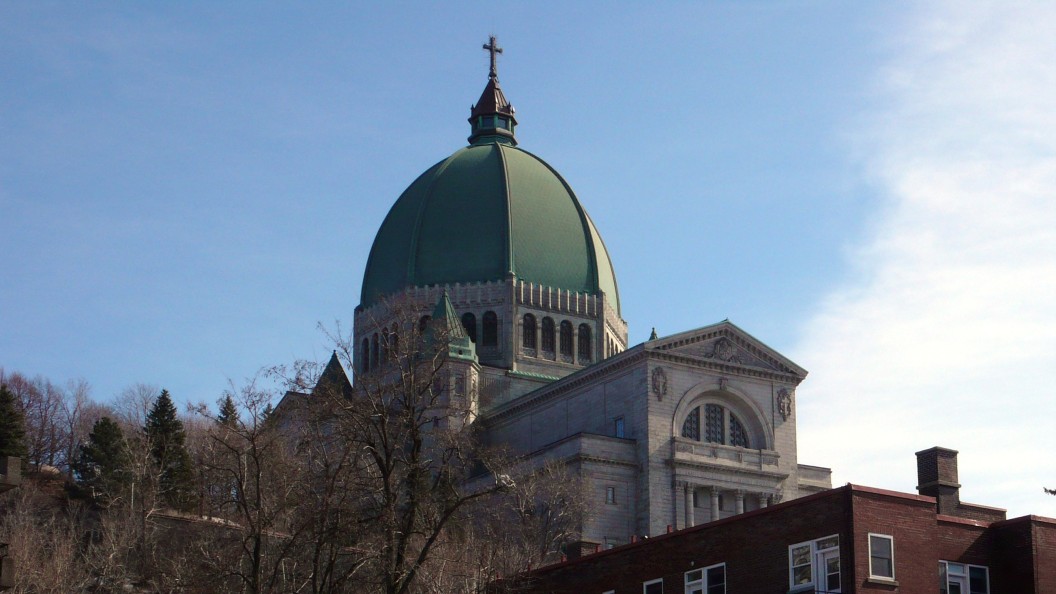
The place apparently is a very popular pilgrimage site: the
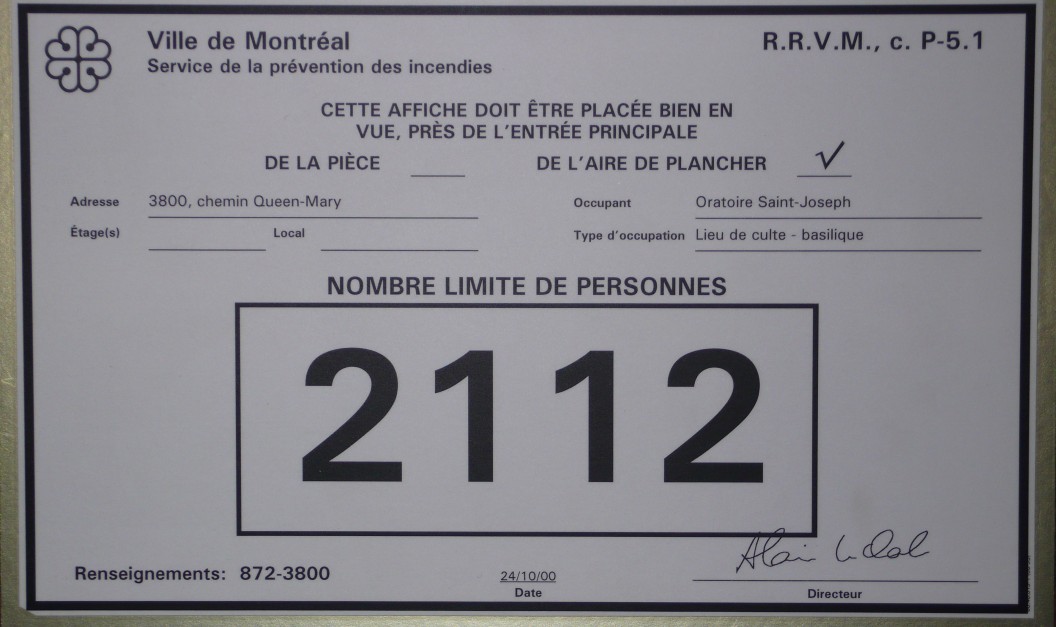
cathedral seats 2112 and can hold up to 10000 - and
is quite frankly rather ugly on the inside.
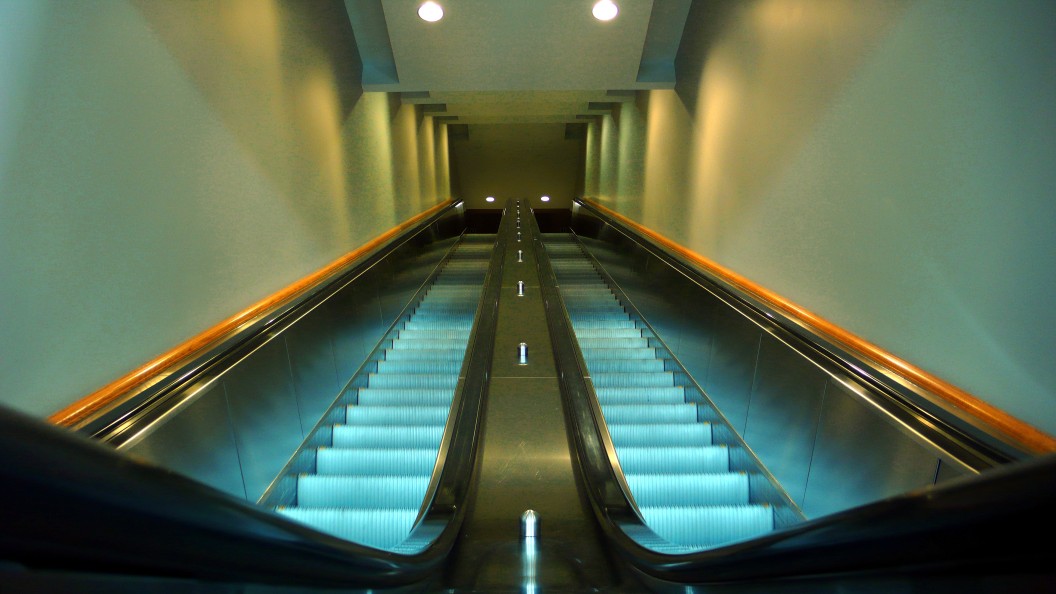
It is also the first church I've seen with a series of builtin escalators as main means of access.
Being founded as Ville-Marie, Montréal has many churches devoted to Mary. Most well known:
Montréal's "official church" (used for important marriages or funerals), the
Basilique Notre Dame de Montréal:
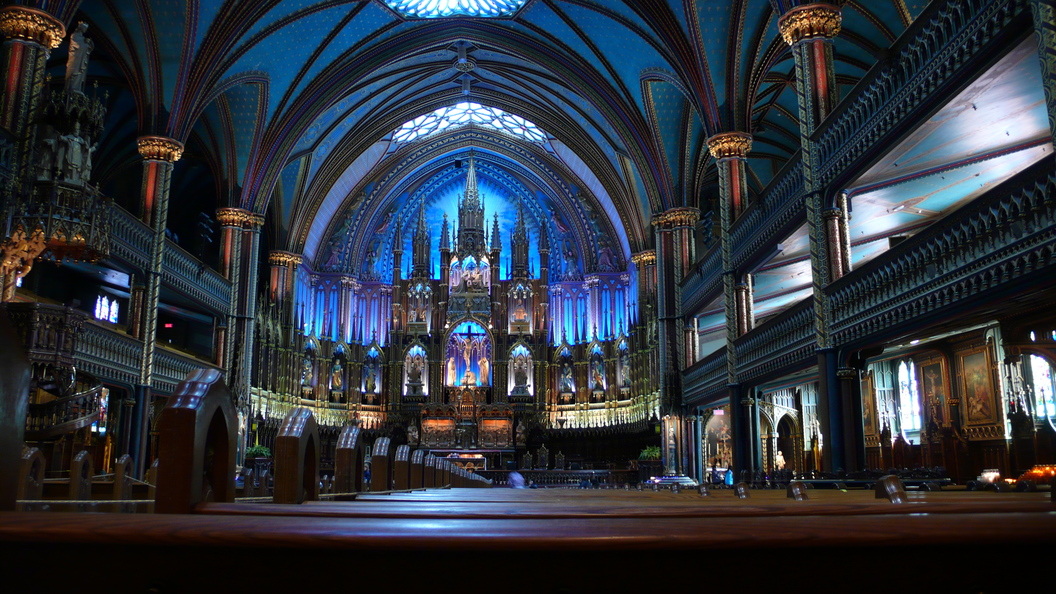
Proof that, at one time, the knowlege about how to properly decorate a church did in fact exist in this city.
That ceiling is entirely fake and doesn't support anything by the way (hence the possibility to put windows in it).
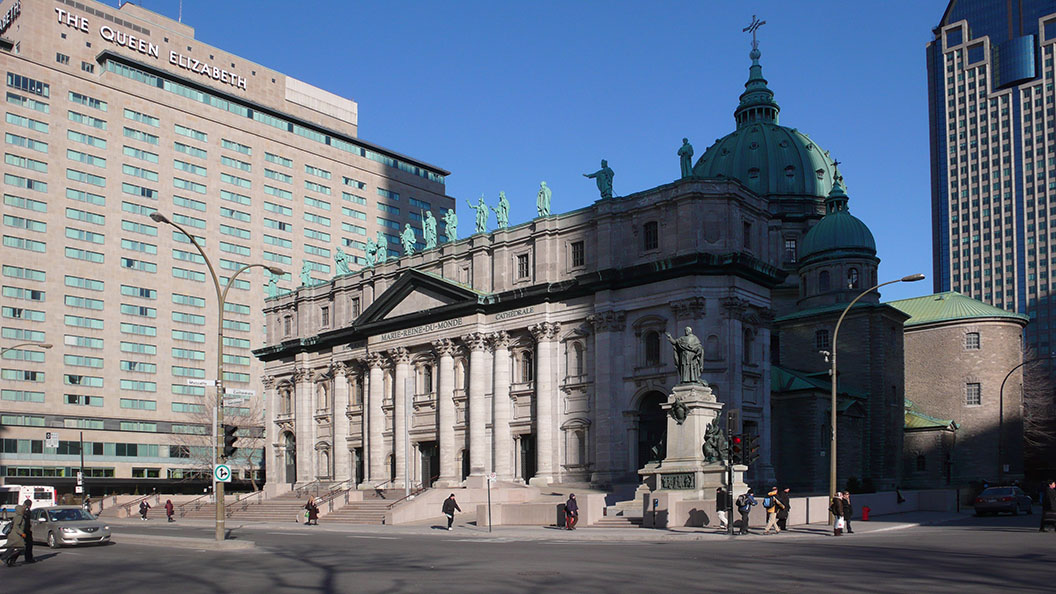
Marie-Reine du Monde, obviously inspired by St. Peter in Rome, is the catholic cathedral built at the end of the
19th century in the middle of the - at the time - protestant part of town. Talk about being nice to each other.
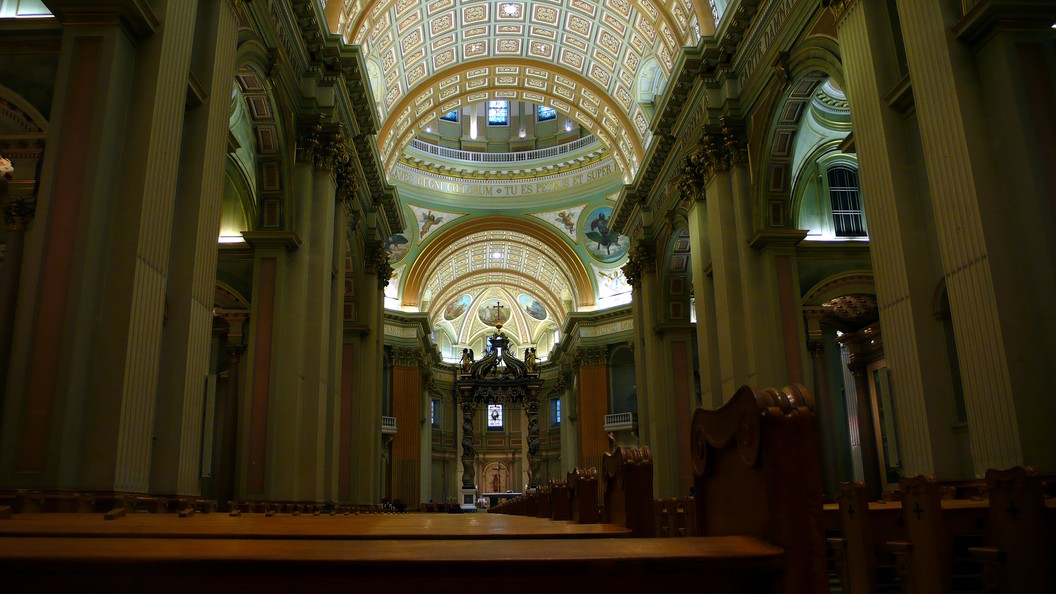
One more Mary to go: Notre-Dame-de-Bonsecours, the seafarers' church:
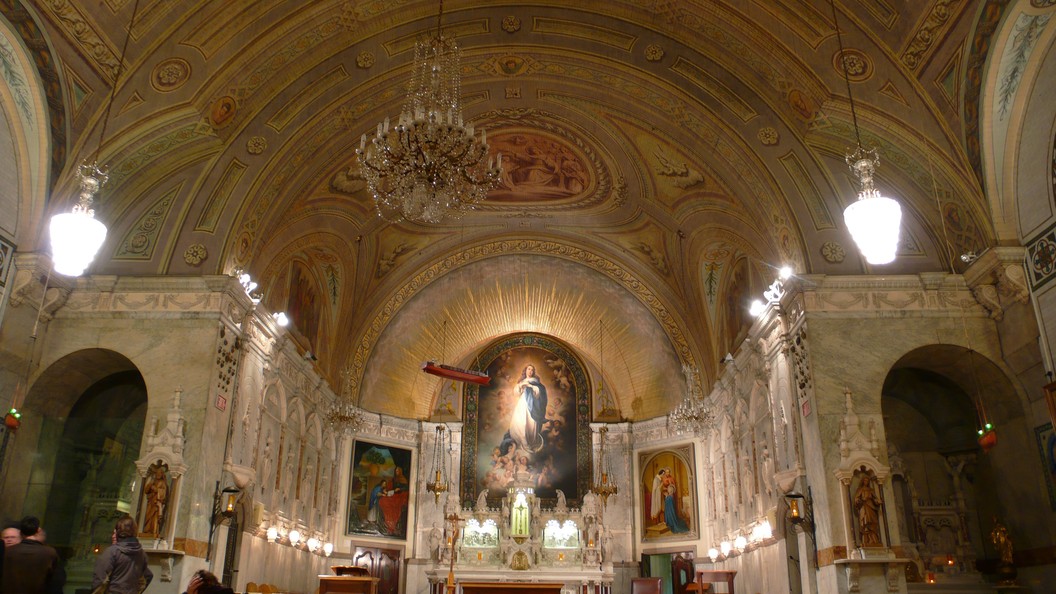
Probably also the only church to have the model of a container freighter
hanging from the ceiling...
Montréal (2)
Fate obviously had to redeem itself from something: I managed to get a ticket for a completely sold-out concert of
the Orchestre symphonique de Montréal by showing up at the ticket counter
less than three hours prior to its begin. It also happened to be a ticket to one of the best seats in the house. Nice.
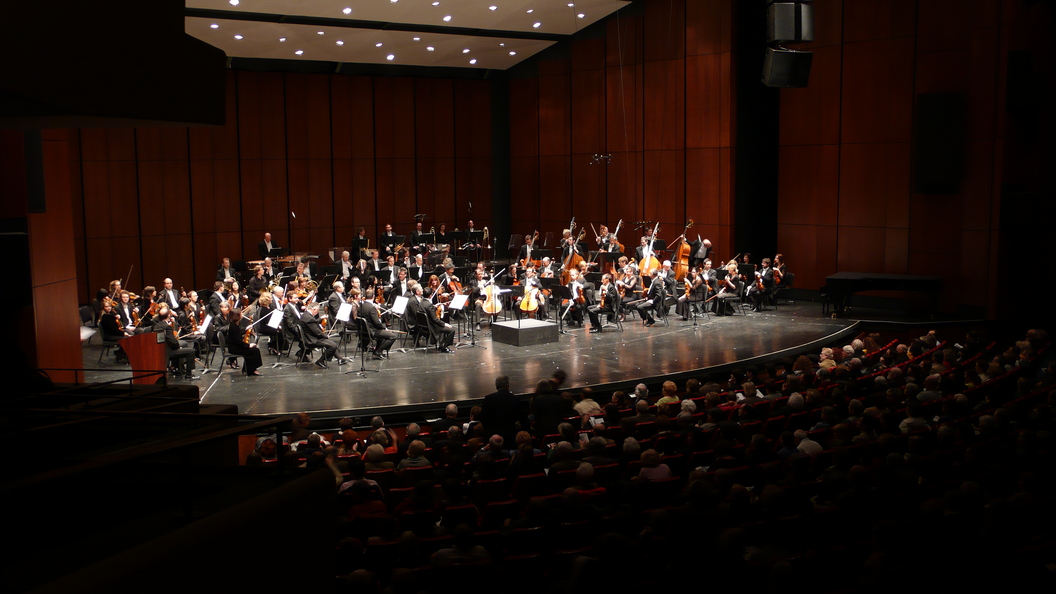
The Inuit Throat Singing was very, very strange though.
Speaking of nice: Montréal has some interesting parts it owes to the fact of having been host to both a world fair
and olympic games. One of Buckminster Fuller's big globes:
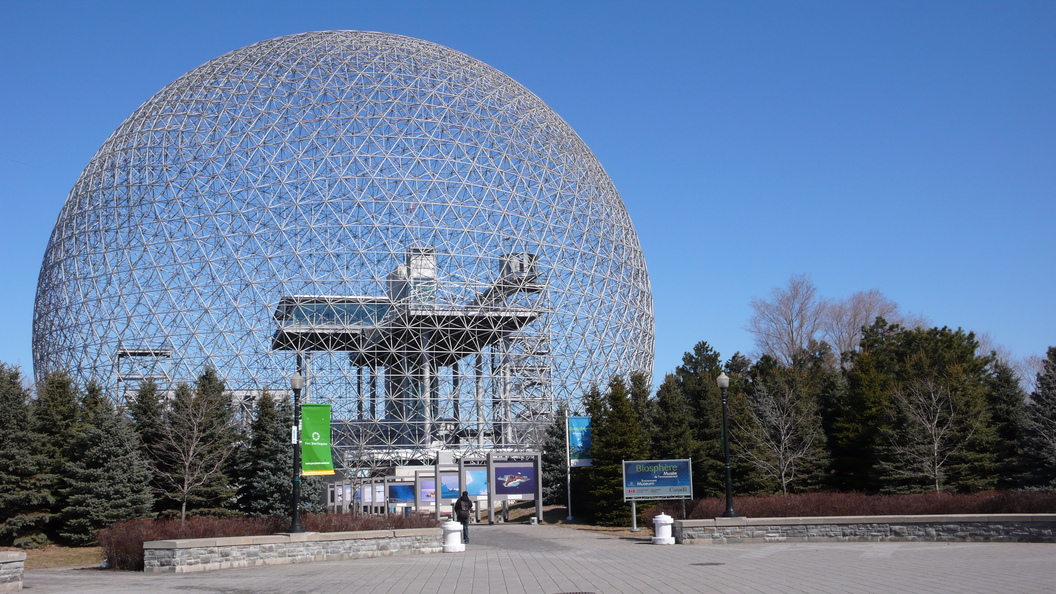
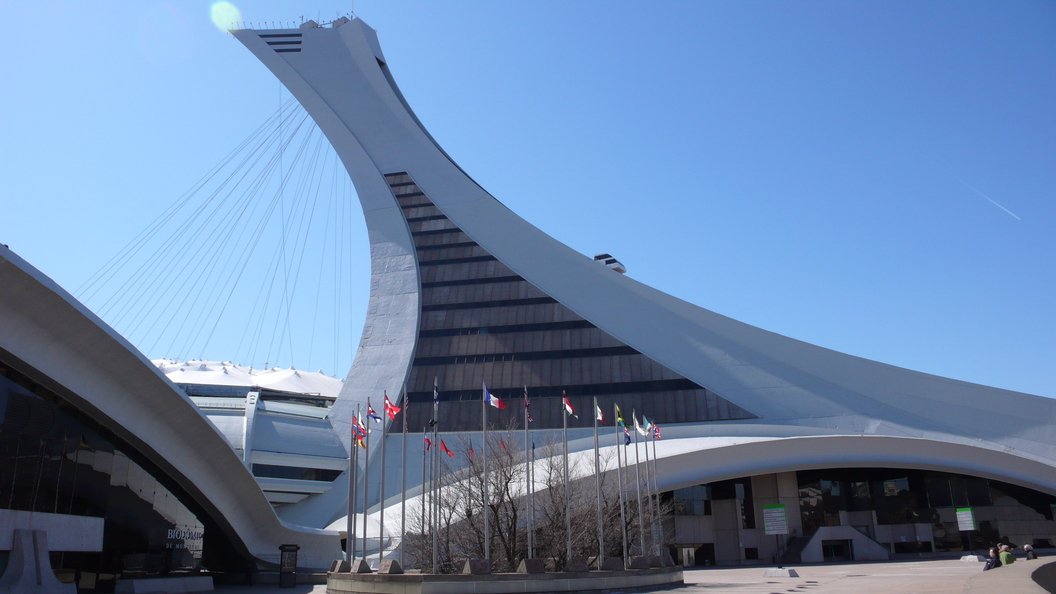
Not actually a ski ramp, but the supporting structure of a hanging roof - and with a great view from the top:
La Tour de Montréal.
Montréal (1)
Talk to someone
Canadians have a reputation of being very friendly towards and helpful to strangers. My experience so far confirms that. They seem to really like talking to strangers too, and to prevent running out of strangers to talk to, they have devised a fiendishly clever plot: They suck at public signage. You absolutely have to talk to someone to find your way around public transport in Canada.
Finding a subway station in Toronto is tricky enough, not least because Toronto's subway symbol is a very low-contrast white and red. But Montréal is even worse: There's e.g. exactly one tiny symbol showing the way from the main station's hall to the main station's subway station - in a place where you probably won't need it anymore, because you have talked to someone.
And then there's the symbol itself: An arrow pointing down. This leads to incredibly conversation-prone situations.
This:

is an actual sign over an escalator not leading to the subway. Get it? On the left is the subway symbol, on
the right the arrow pointing in the direction it wants you to take. Sounds tricky? Well - talk to someone.
But of course, uncovering the secret of the non-indicating arrow isn't enough: Montréal has a huge underground system of shopping malls, offices, walkways, etc. - incredibly convenient and well heated, but also the endpoint to most subway stations. The result: Subway stations barely ever touch the surface directly. You might be at exactly the spot where your map says you could find a subway station - unfortunately, it is about 30 meters under you - and no sign tells you how to get there. Just walk into one of the stores around you and find a way to get underground - and talk to someone.
Once you've finally made it to a turnstile, communication encouragement of course doesn't end yet: There are two
different kinds of turnstiles, and both have a card reader that your card will fit - but only one kind will let you
actually pass. The other one will stubbornly reject your brand new ticket and not tell you what might be wrong with
it. How do you find out about that?
Talk to someone.